Category: Halal Meat
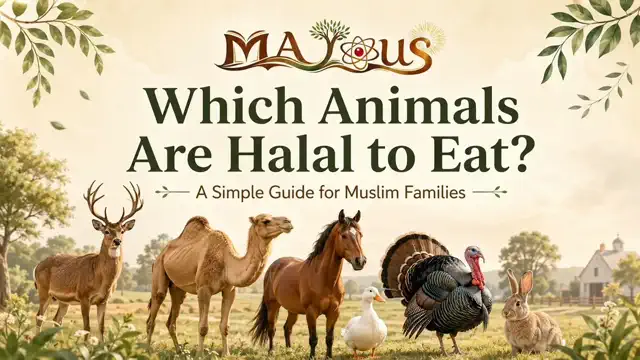
Many parents and children ask us: “Is this animal halal?” Some answers are clear and simple. Some need more explanation. And some animals fall into a gray area where scholars may differ. This page gathers all of Mayous’s halal animal guides in one place. It’s a hub to help you find the answer quickly—and to…
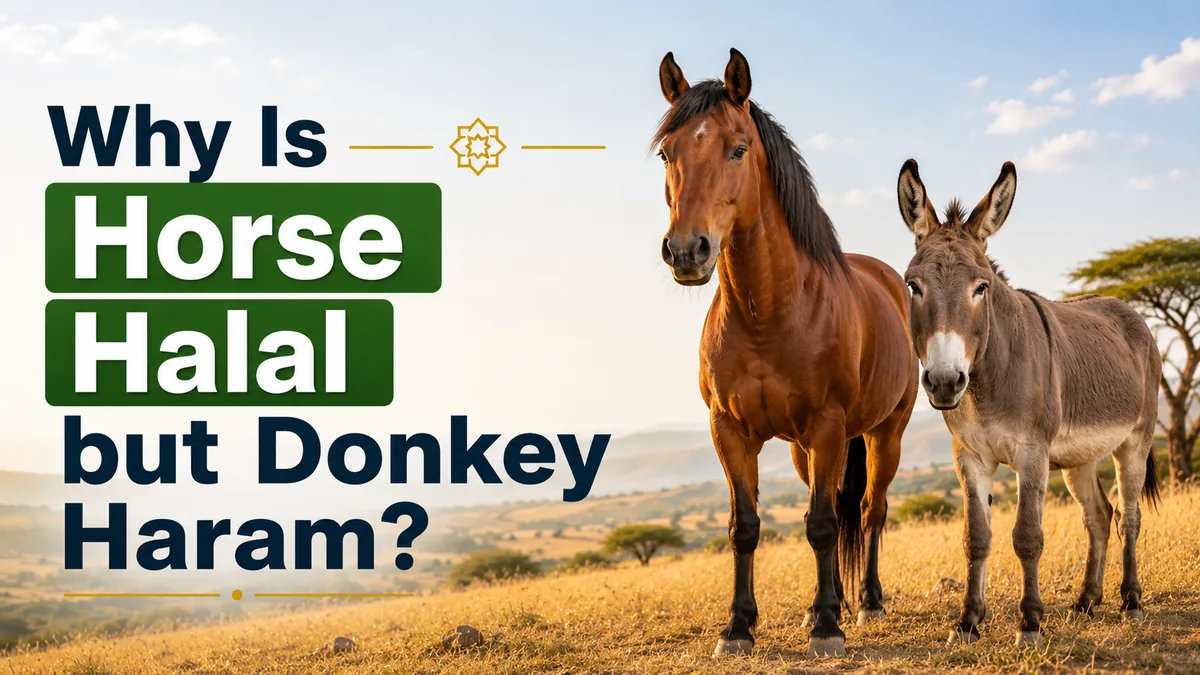
Why Is Horse Halal But Donkey Haram? This is one of the most distinctive rulings in Islamic dietary law: horse meat is halal (permissible) while donkey meat is haram (forbidden). Although both are herbivorous, non-predatory animals that seem to share identical characteristics, Islamic scholars have ruled that horse and donkey have opposite legal statuses. This…
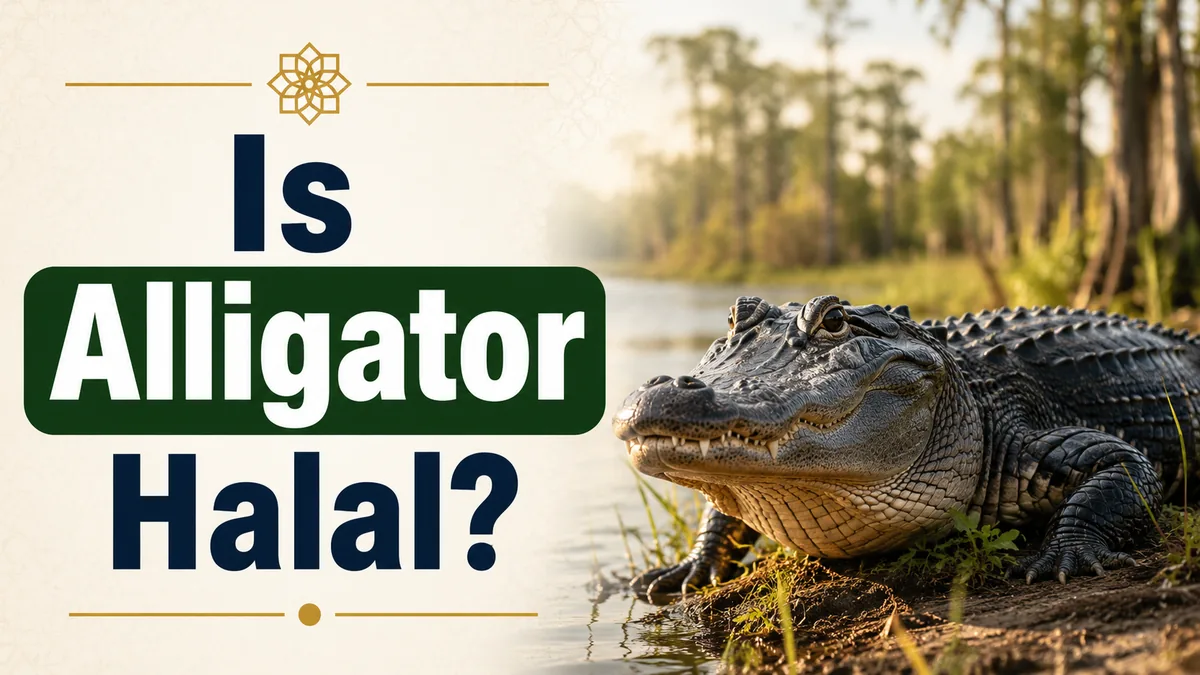
Is Alligator Halal? Alligator is haram (forbidden) in Islamic dietary law. Alligators are large predatory reptiles classified as carnivorous predators. Islamic law explicitly forbids predatory animals, regardless of hunting method or slaughter technique. Understanding Alligators Alligators are large aquatic predators that feed on fish, amphibians, and larger animals. They are apex predators in their habitat.…
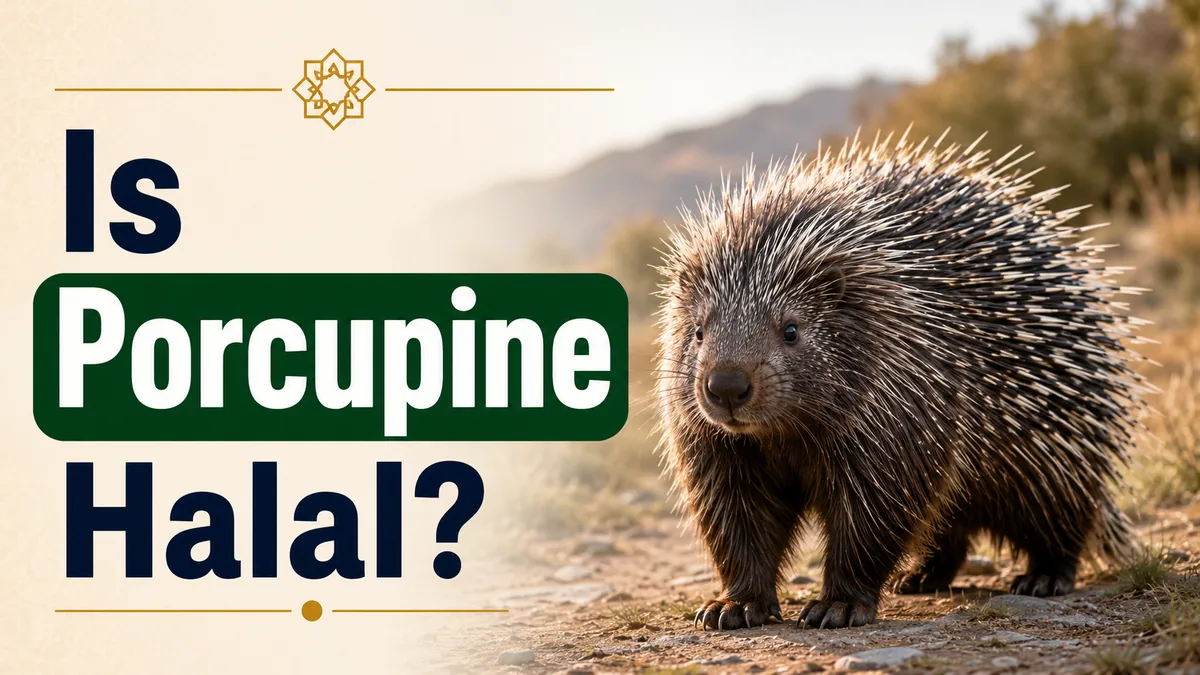
Is Porcupine Halal? Porcupine is haram (forbidden) in Islamic dietary law. Although porcupines are rodents, Islamic scholars classify them as haram. The primary reason relates to their classification as forbidden animals in Islamic jurisprudence. Understanding Porcupines Porcupines are large herbivorous rodents that feed on bark, vegetation, and plant matter. Although porcupines are primarily herbivorous, Islamic…
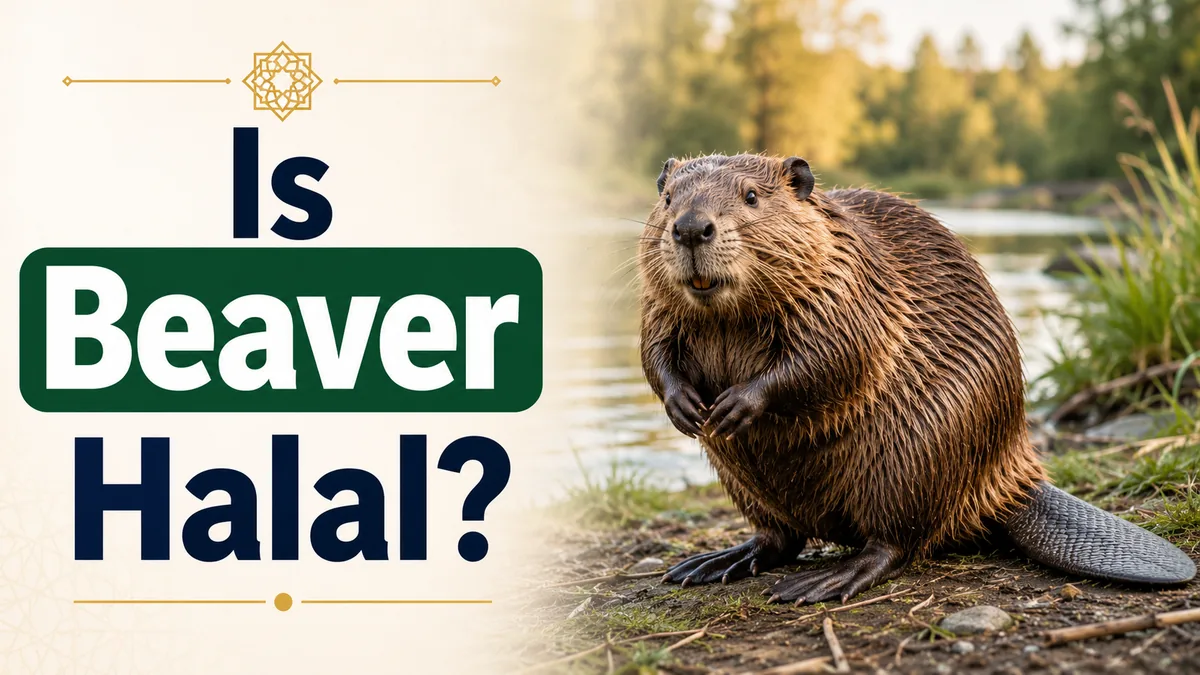
Is Beaver Halal? Beaver is haram (forbidden) in Islamic dietary law. Although beavers are large rodents, Islamic scholars classify them as haram because they are semi-aquatic predators. Predatory animals are forbidden in Islam, regardless of hunting method. Understanding Beavers Beavers are semi-aquatic rodents that feed on fish, aquatic animals, and vegetation. Although they are partially…
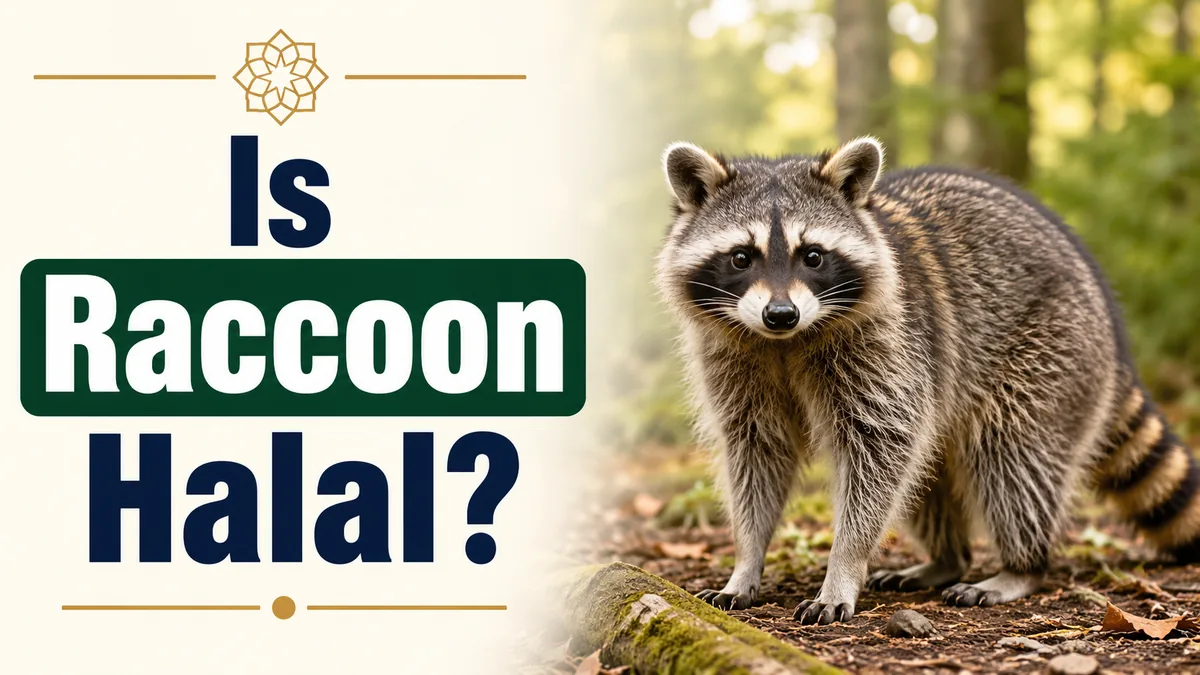
Is Raccoon Halal? Raccoon is haram (forbidden) in Islamic dietary law. Although raccoons are small mammals, Islamic scholars classify them as haram because they are carnivorous predators. Carnivorous and omnivorous predators are forbidden in Islam, regardless of hunting method. Understanding Raccoons Raccoons are omnivorous animals that feed on small animals, fish, insects, and vegetation. They…
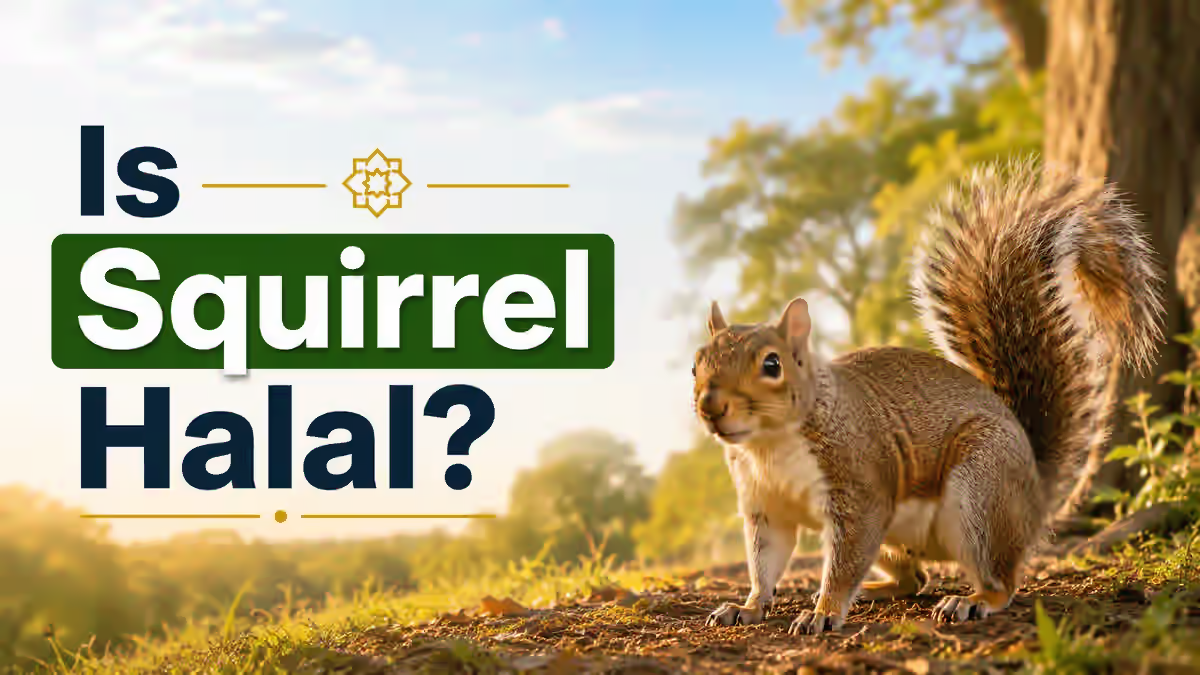
Is Squirrel Halal? Squirrel is haram (forbidden) in Islamic dietary law. Although squirrels are small rodents, Islamic scholars classify them as haram because they belong to the rodent family. Rodents are explicitly forbidden in Islamic dietary law regardless of their herbivorous diet. Understanding Squirrels Squirrels are small herbivorous rodents that feed on nuts, seeds, and…
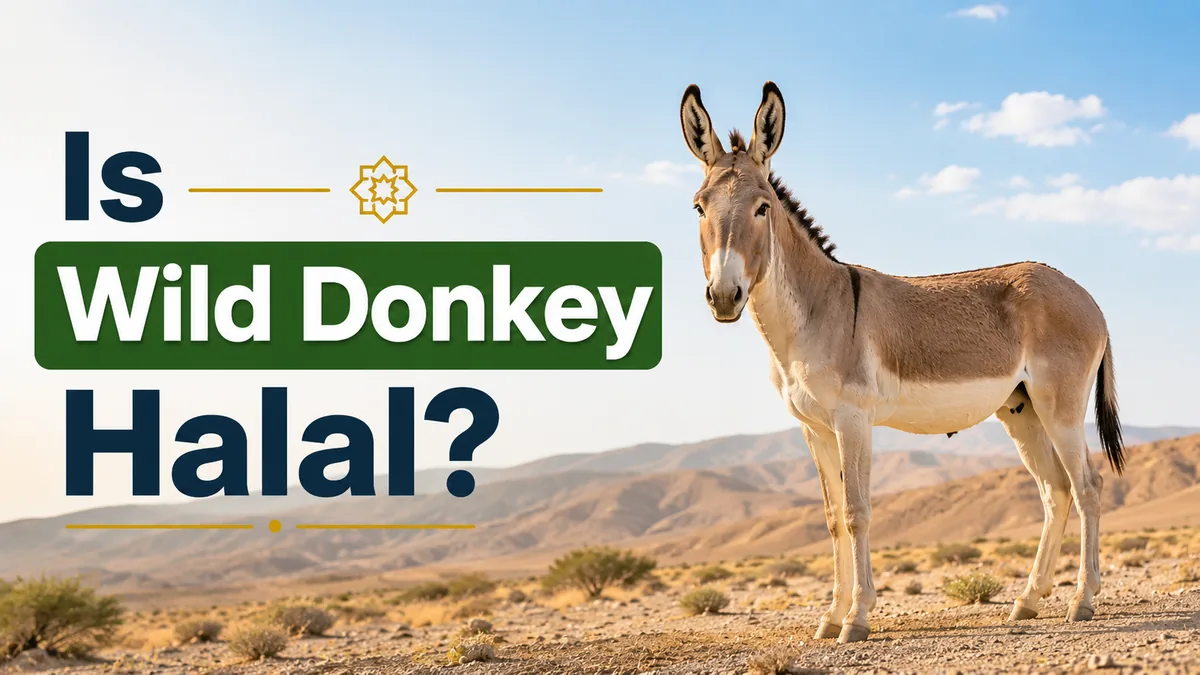
Is Wild Donkey Halal? Wild donkey (onager) is haram (forbidden) in Islamic dietary law. Although wild donkeys are herbivorous animals native to arid regions, Islamic scholars have ruled that donkey meat—whether wild or domesticated—is forbidden. This prohibition applies to all members of the donkey species regardless of hunting method. Understanding Wild Donkeys (Onagers) Wild donkeys…
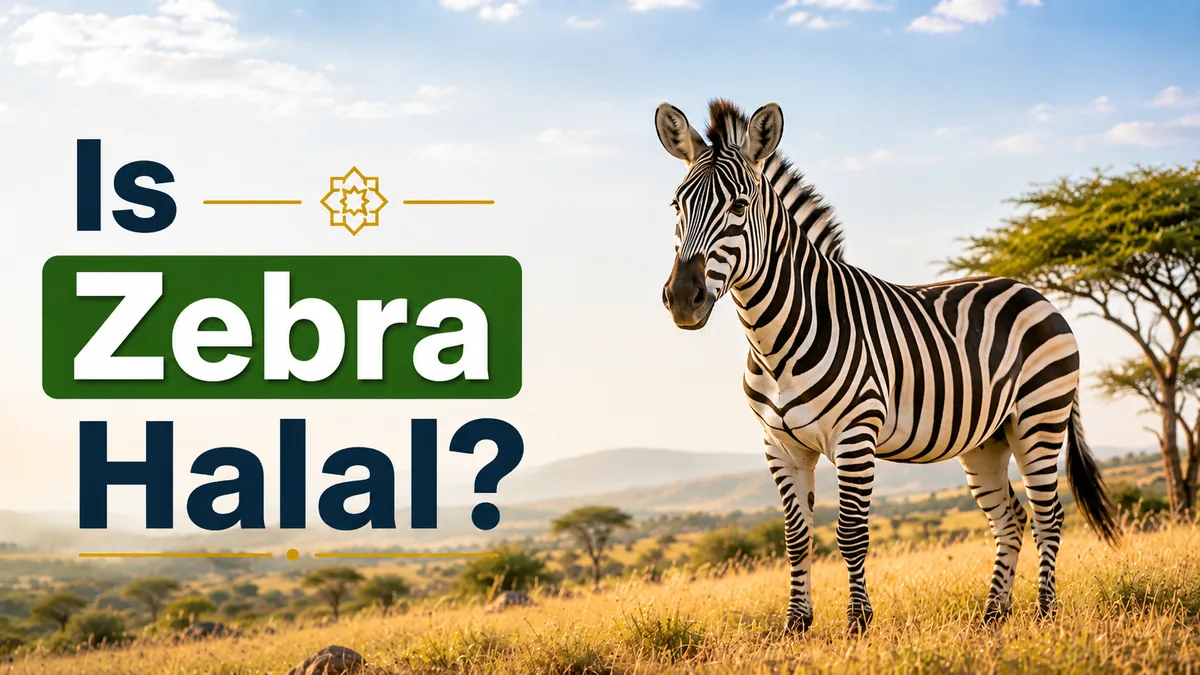
Is Zebra Halal? Yes, zebra is halal. Zebras are large herbivorous animals native to Africa that are non-predatory and classified as permissible in Islamic law. Like other herbivorous prey animals, zebras are halal. The critical factor is: was the zebra hunted or slaughtered using proper Islamic methods? Understanding Zebras Zebras are large herbivorous animals that…
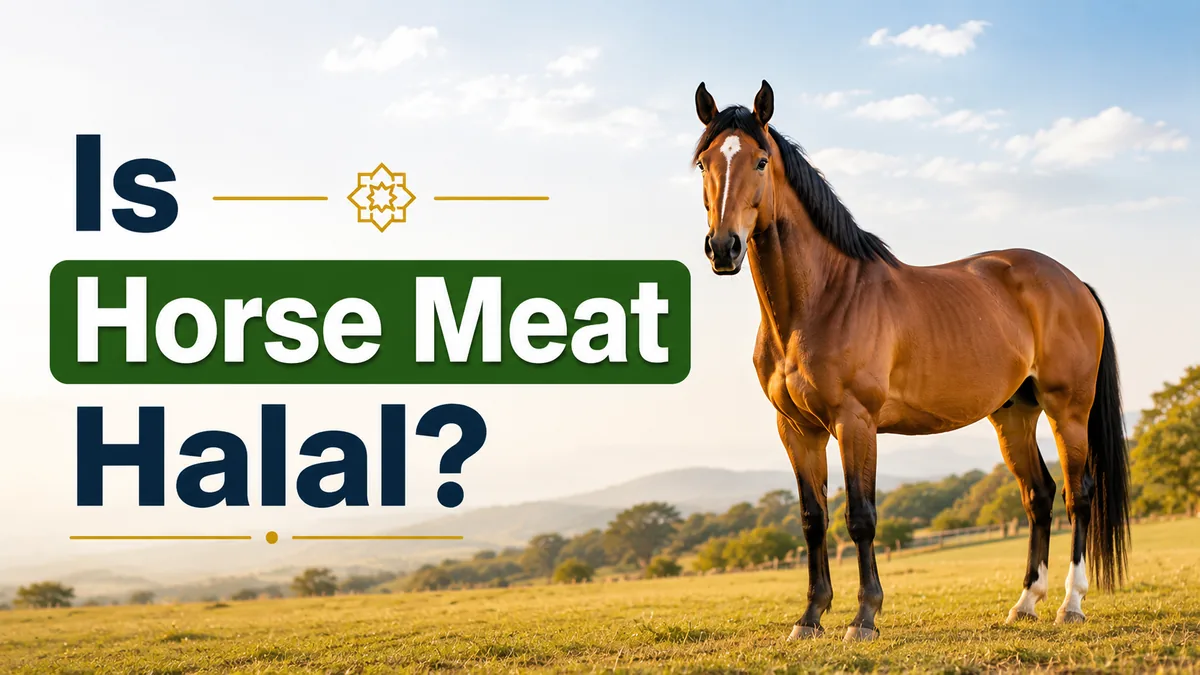
Is Horse Meat Halal? Horse meat is halal (permissible) in Islamic law according to the majority of Islamic scholars. However, it is considered makruh (disliked/discouraged) to eat horse meat unless you are in necessity or hardship. Horses are large herbivorous animals that are non-predatory. The halal status depends on how the horse was hunted or…